
Wabi-Sabi Gardens: Embracing Imperfect Beauty in Your Outdoor Space
Ever feel like your garden looks too… perfect? Like it’s trying too hard to impress the neighborhood? Let me introduce you to wabi-sabi – the Japanese design philosophy that’s gonna change how you think about your outdoor space forever.
What Exactly is a Wabi-Sabi Garden?
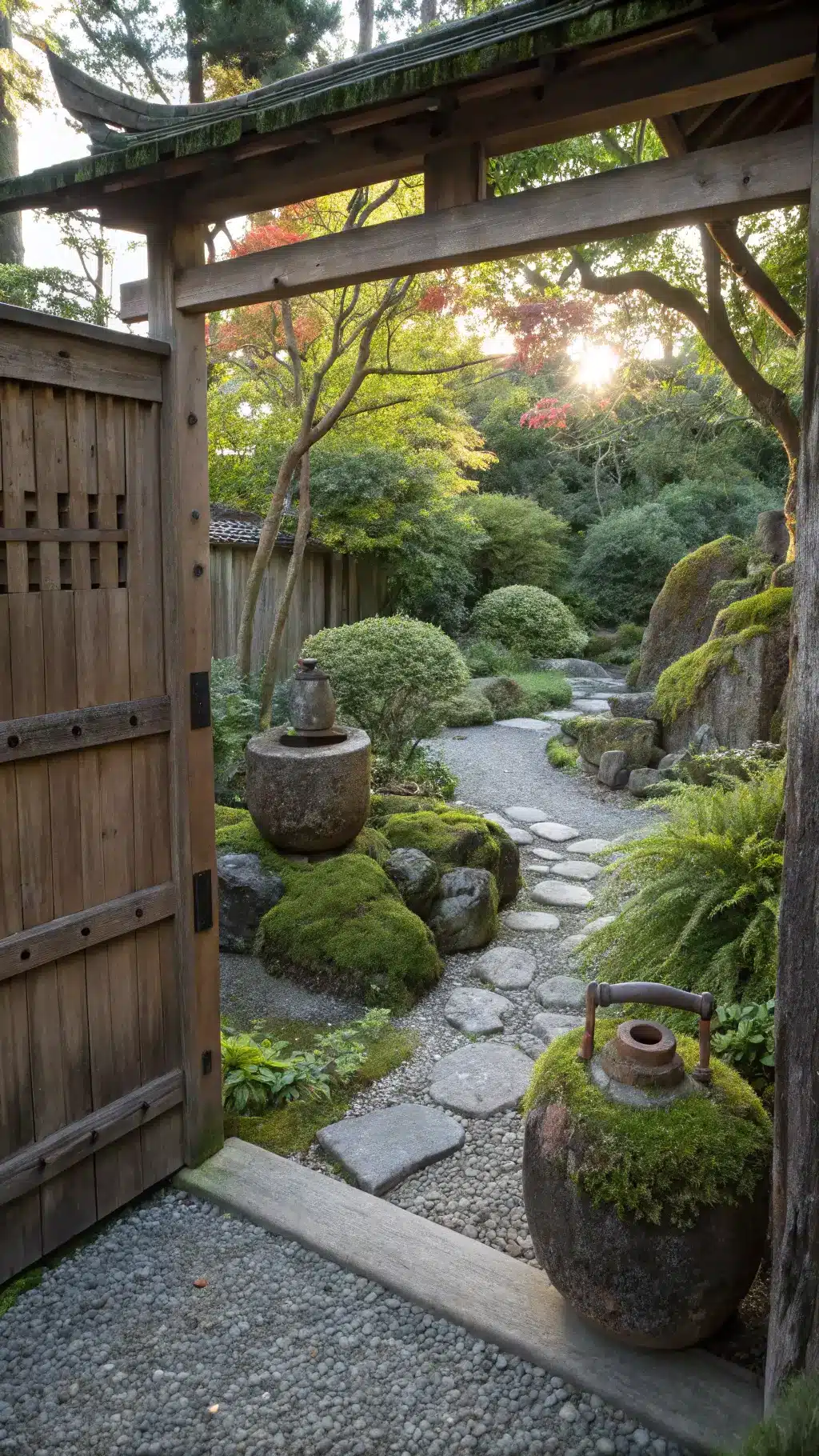
Imagine a garden that doesn’t scream “I’m manicured!” but whispers “I’ve lived and breathed”. That’s wabi-sabi in a nutshell. It’s about celebrating the beauty of imperfection, letting nature do its thing, and creating a space that feels like it’s got stories to tell.
The Wabi-Sabi Vibe: Less Control, More Acceptance
My first attempt at a wabi-sabi garden was totally accidental. I basically got lazy with gardening and realized – hey, this looks kinda awesome! Here’s what makes these gardens special:
Key Characteristics:
- Asymmetrical layouts that feel natural
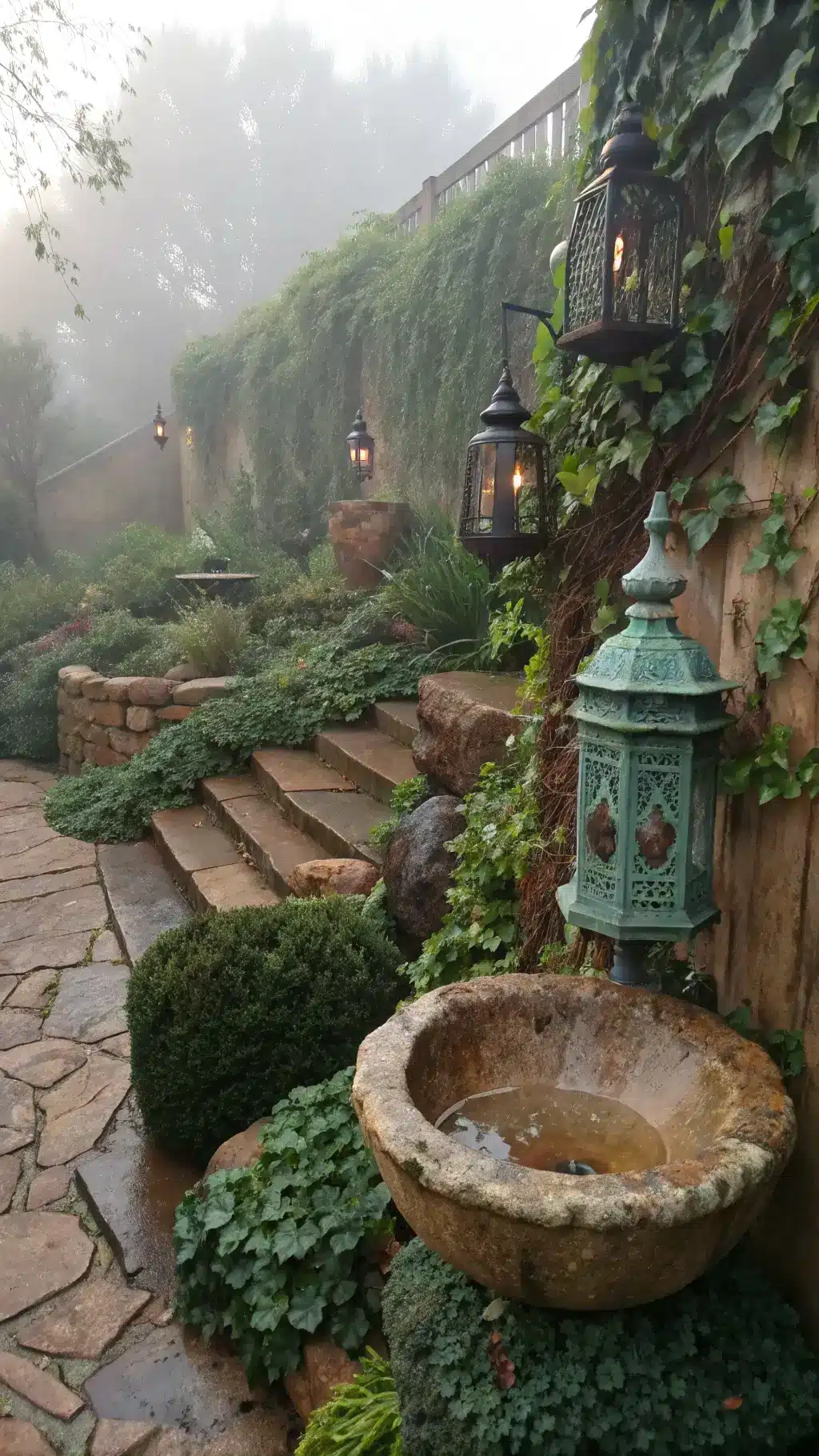
- Weathered materials with character
- Embracing aging and natural decay
- Celebrating seasonal changes
Creating Your Own Imperfect Paradise
Essential Elements to Include:
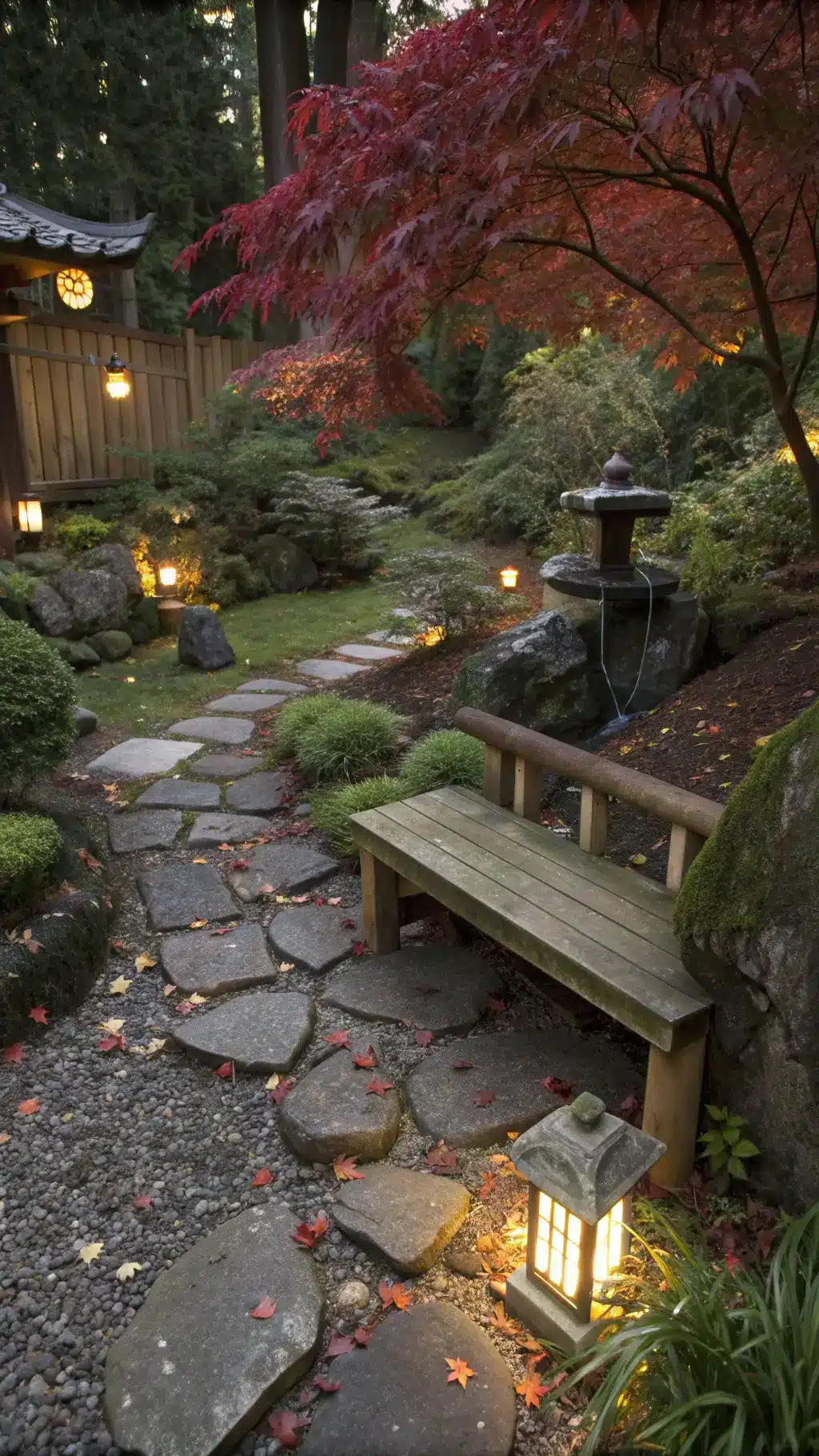
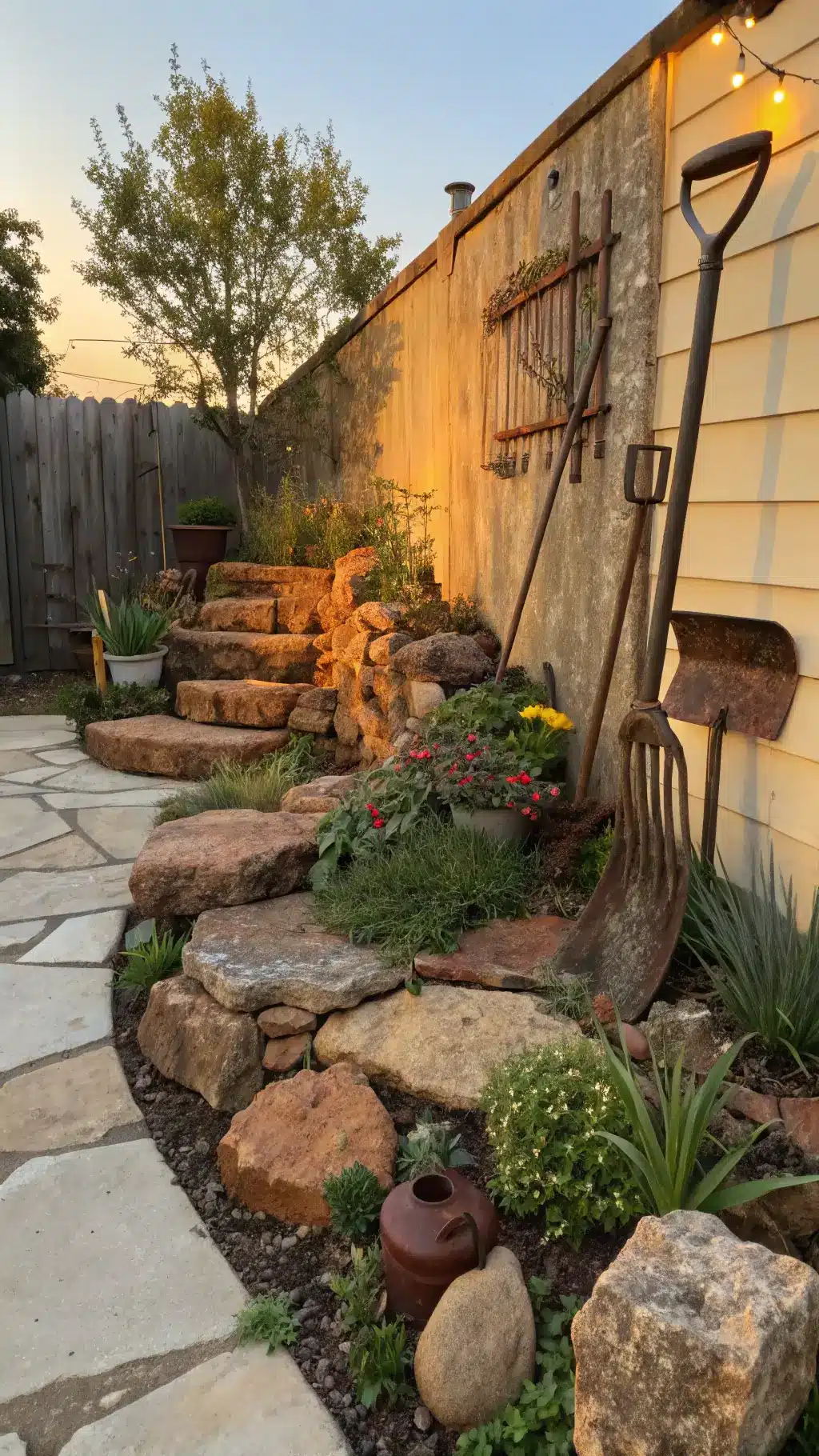
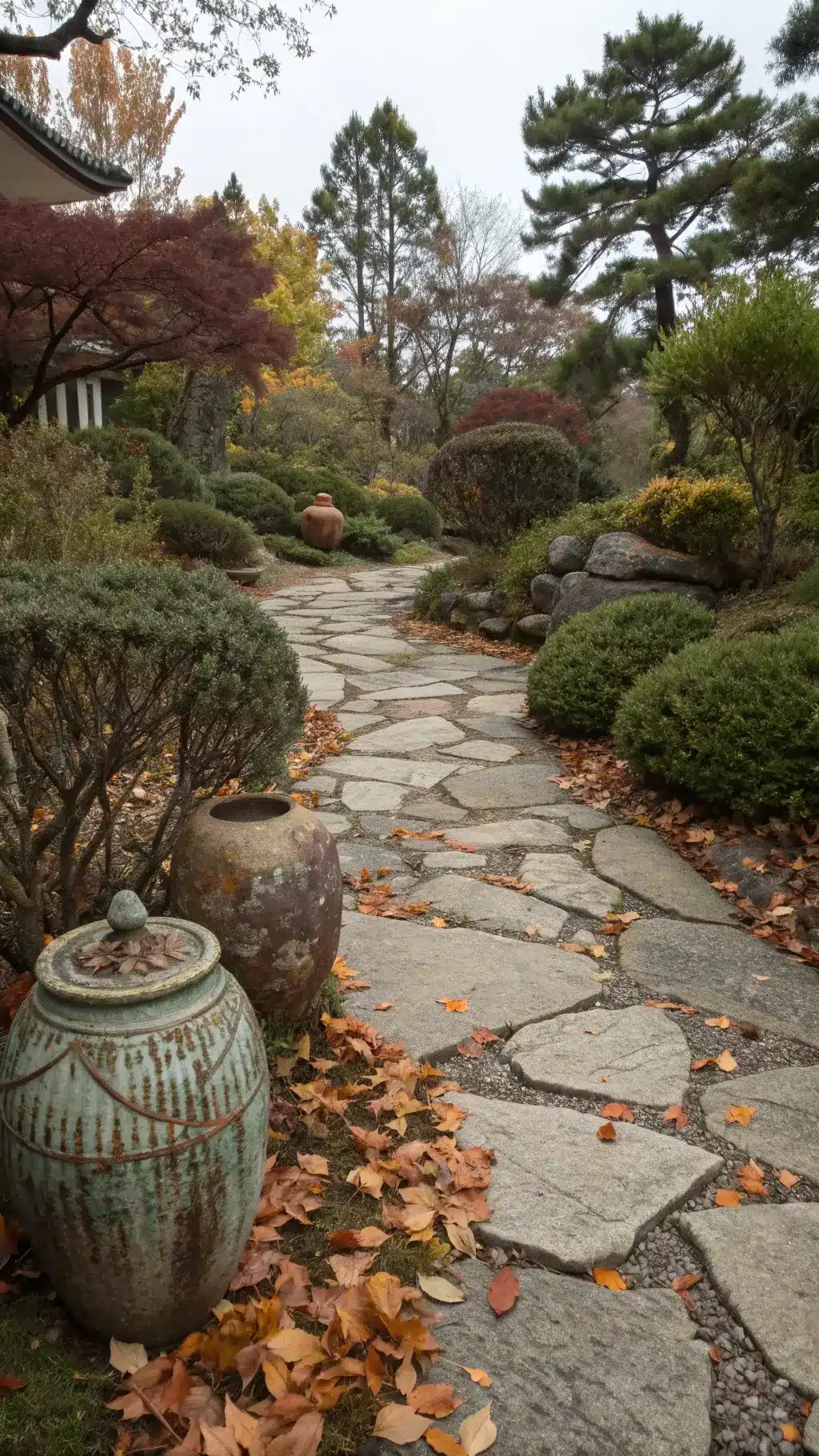
- Natural Materials: Think weathered terracotta pots, moss-covered stones, and rustic wood pieces
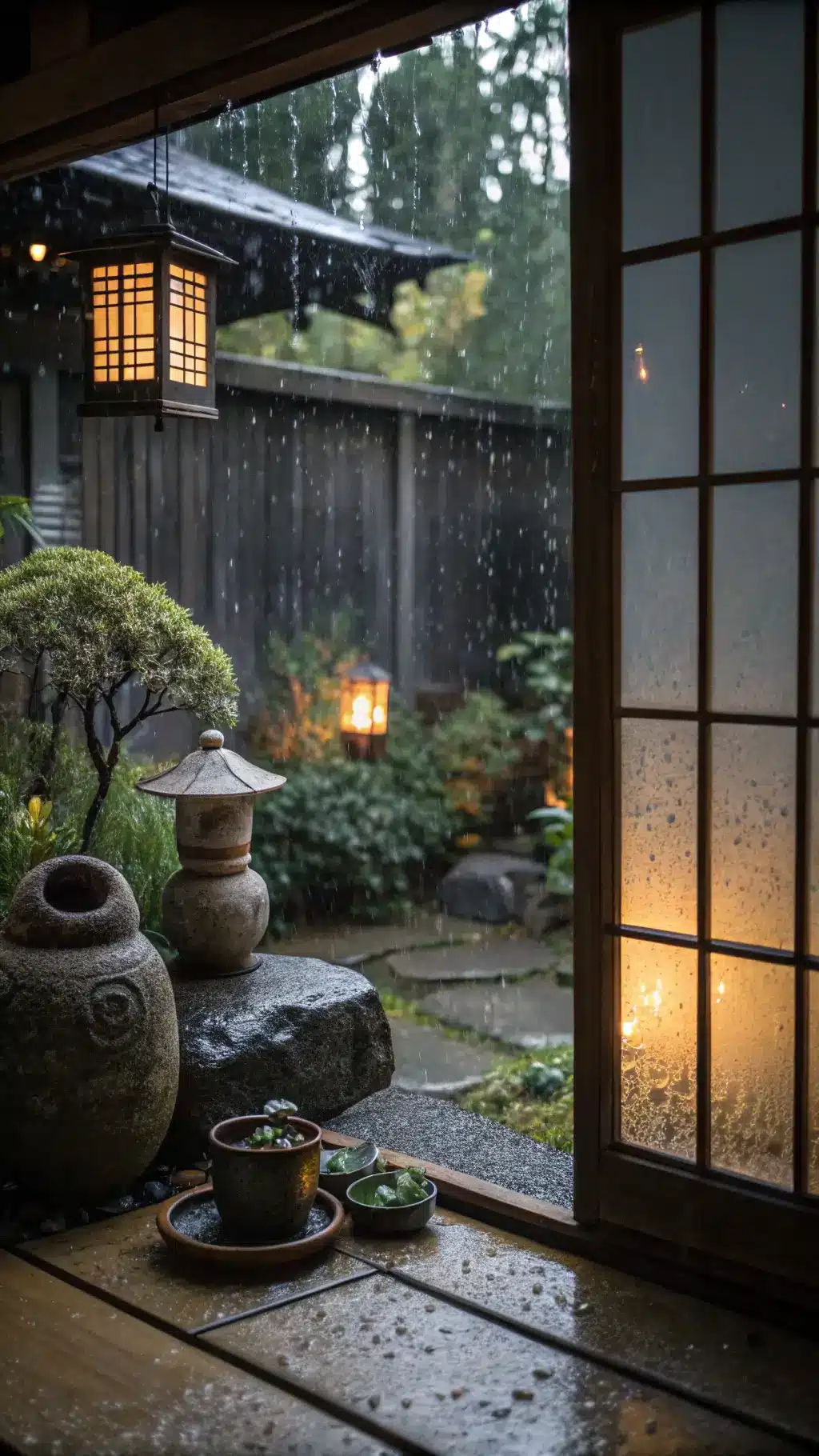
- Water Features: A simple bamboo fountain or small pond
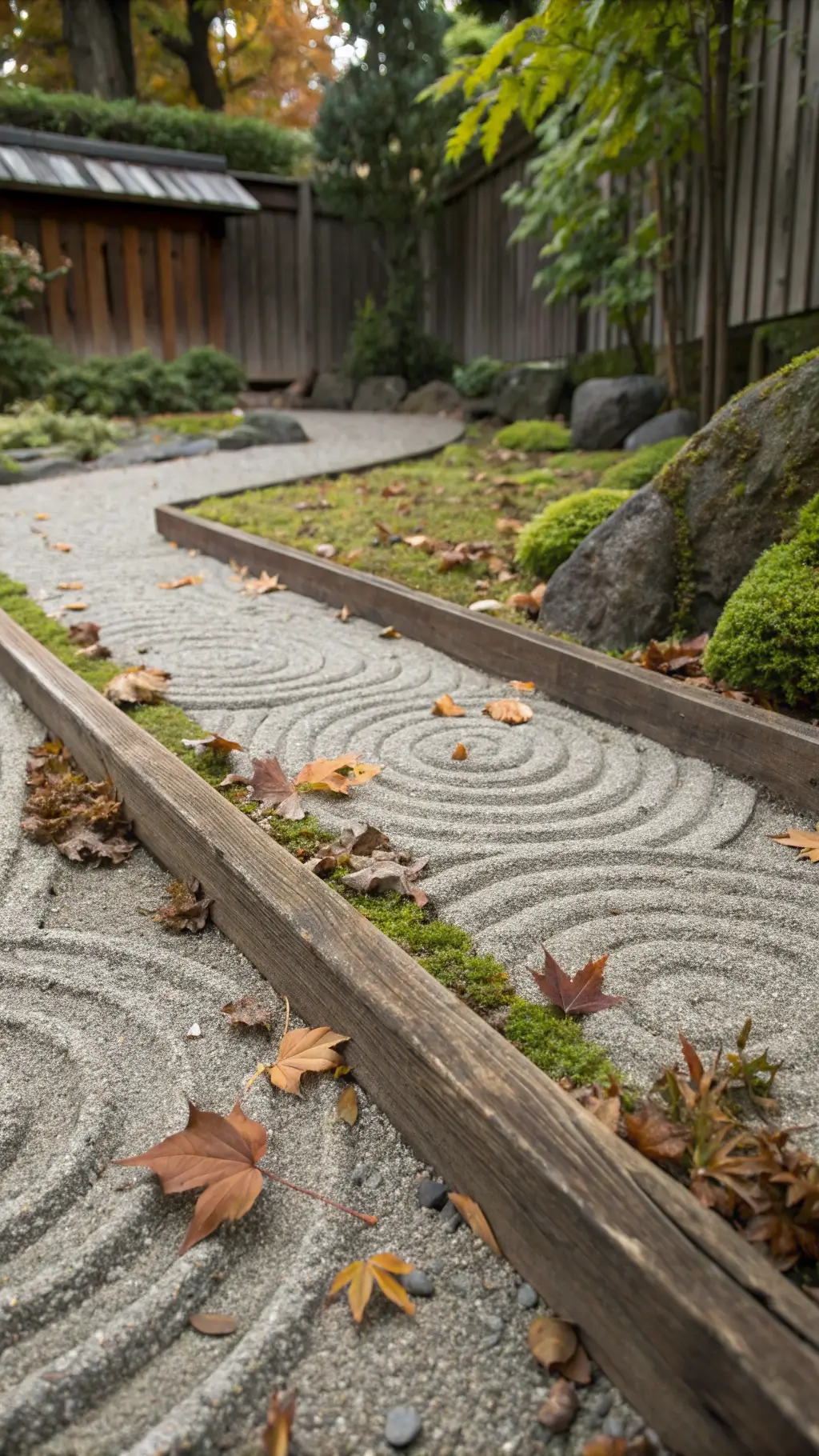
- Organic Pathways: Curved gravel paths that look like they just happened
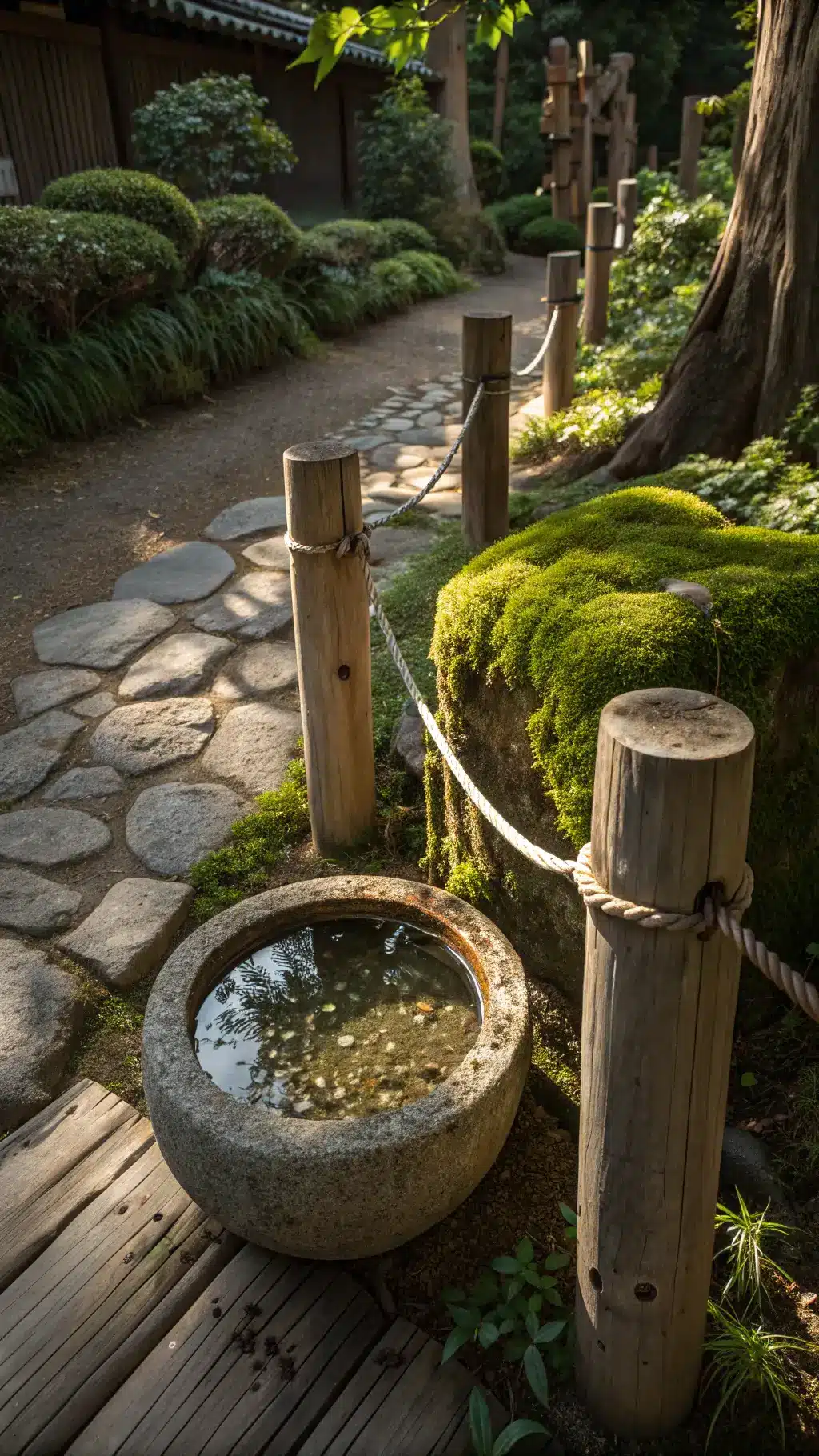
Pro Tips for Wabi-Sabi Gardening:
- Don’t Over-Maintain: Let some plants go wild
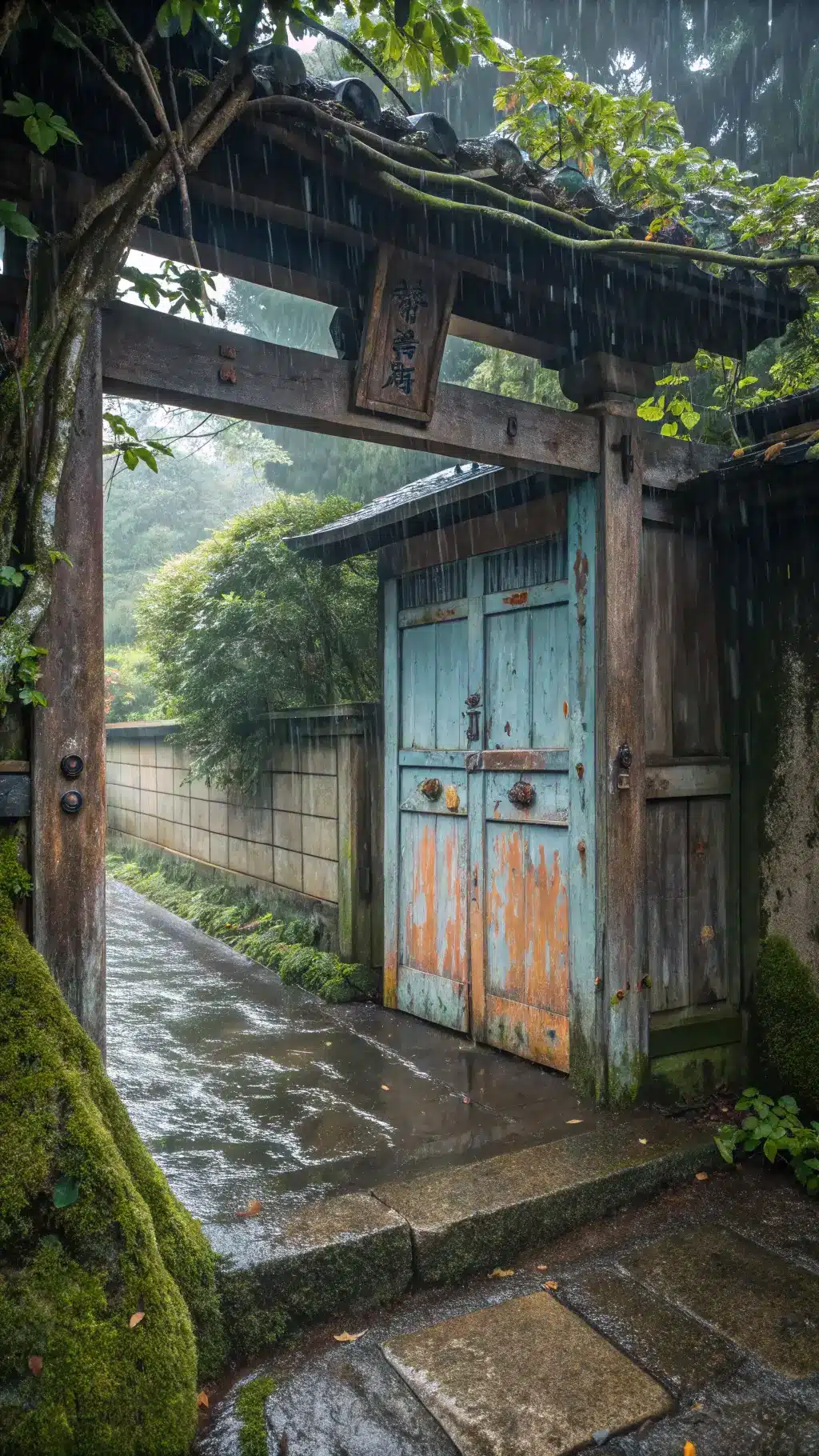
- Embrace Imperfections: Rust? Awesome. Peeling paint? Even better.
- Use Native Plants: They’ll naturally fit the landscape
- Allow Seasonal Changes: Stop fighting nature, start celebrating it
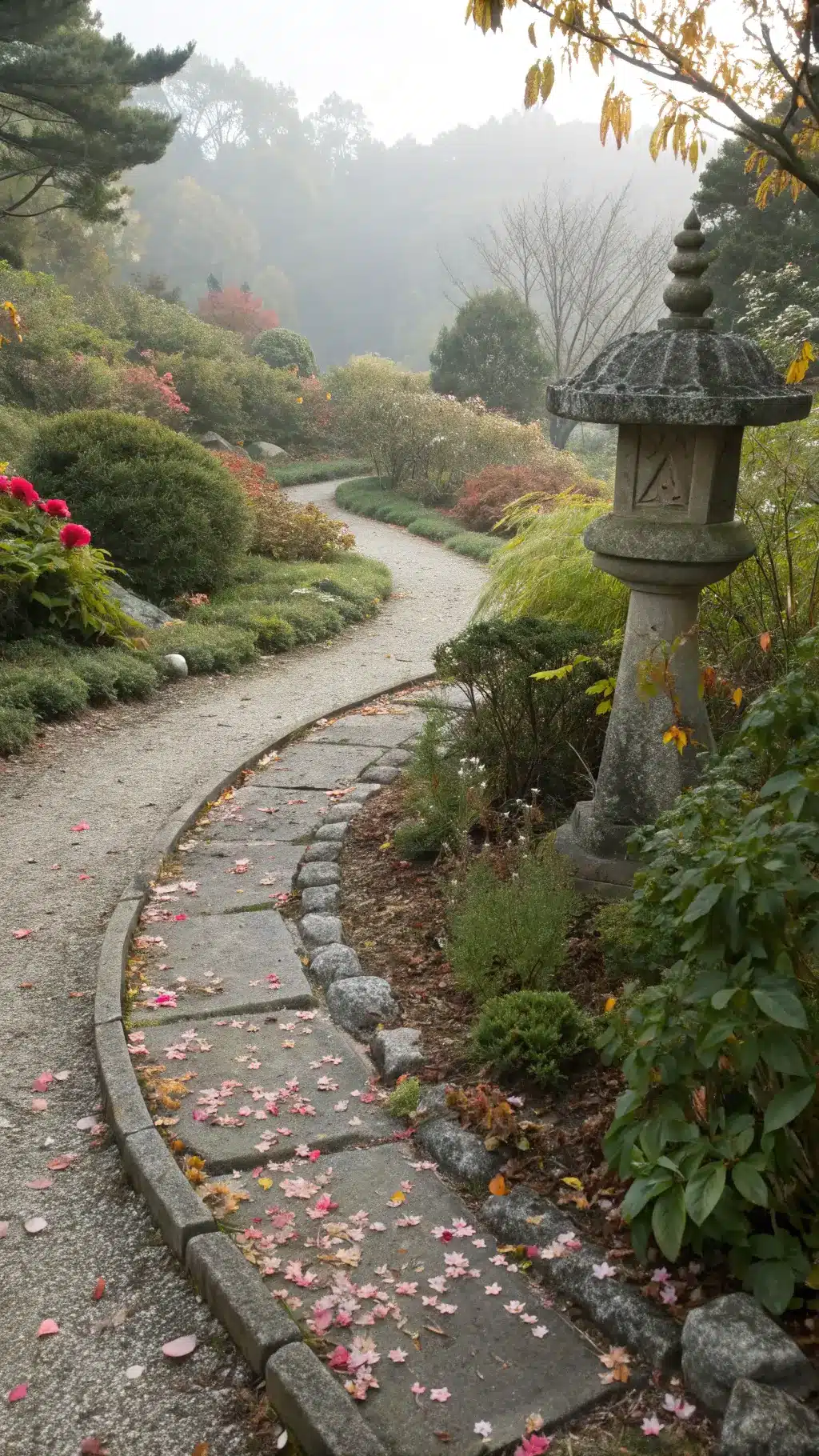
Mindset Shift: From Perfect to Peaceful
Wabi-sabi isn’t just a design style – it’s a whole vibe. It’s about:
- Accepting things as they are
- Finding beauty in aging
- Letting go of control
What You’ll Need (Amazon Links for Convenience)
Real Talk: My Wabi-Sabi Journey
When I first started, my garden looked like a hot mess. Turns out, that was exactly the point! I stopped trying to make everything look Instagram-perfect and started appreciating the little imperfections.
A Word of Caution
Wabi-sabi isn’t an excuse to be totally neglectful. There’s a difference between “beautifully aged” and “completely abandoned”. Find your balance.
Final Thoughts
Wabi-sabi is more than a garden style – it’s a life philosophy. It’s about finding peace in imperfection, beauty in aging, and tranquility in letting things be.
Pro Tip: Start small. You don’t need to transform your entire garden overnight. Pick a corner, experiment, and let it evolve.
Recommended Reading
- “Wabi-Sabi: for Artists, Designers, Poets & Philosophers” by Leonard Koren
- “The Japanese Art of Imperfect Beauty”
Disclaimer: These are my personal experiences and observations. Your wabi-sabi journey might look totally different – and that’s perfectly okay! 🌿